Probiotics Your Body
Actually Understands.
We source human native strains with incredible superpowers. Because your body interacts best with the microbes it already knows.
Biological Reality: Residents vs. Transients
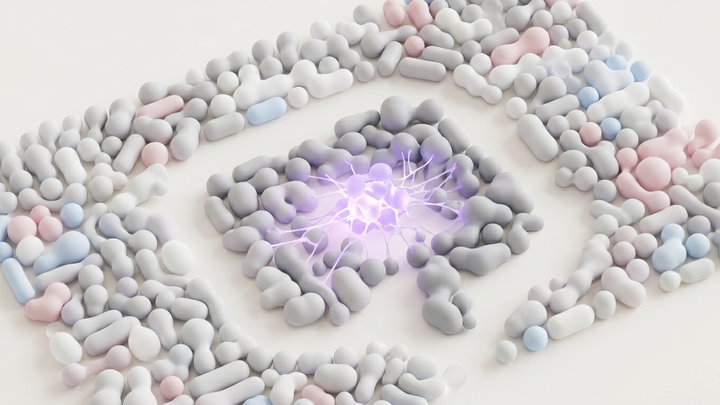
Most probiotics are 'transient tourists'—foreign microbes that pass through your system without ever becoming part of your biology. Human-native strains are residents: the foundational microbes designed to stay.
The Foreign Tourist
Derived from soil, dairy, or yeast. These organisms are biological outsiders that lack the genetic keys to colonize.
- Transient Immune Signaling
- Flushes out in 2-4 days
- Lacks Native Compatibility
- No Long-term Persistence
The Native Resident
Isolated from healthy human biology. These are the ancestral strains your ecosystem evolved to host for life.
- Promotes Microbiome Balance
- Adheres & Persists
- High Metabolic Compatibility
- Genetically Sequence-Verified
The Keystone Human Residents
Microbiome restoration requires specific, high-purity isolates. We focus on the ancestral residents and the fuels they require to flourish.
Bifidobacterium adolescentis HS01
Longevity & Neuro-Metabolic Calm
Bifidobacterium longum HS02
Immune Support & Cognitive Flow
Complete Prebiotic with Fiber & Vitamins
Increase Alpha Diversity
Real Human Results
Evolution Did The R&D.
For thousands of years, the human body has selected specific microbial partners to perform critical functions. We simply reintroduce the winners of that evolutionary process.
Precise Cellular Docking
Your gut lining is covered in specific receptors. Because our strains co-evolved with humans, they possess the exact surface proteins needed to 'dock' with these receptors—triggering benefits foreign strains cannot.
Native Biological Signaling
Bacteria communicate via chemical signals. Human strains speak your body's native language, delivering clear instructions to your metabolic pathways rather than the vague signals of environmental strains.
Immune Recognition
Foreign bacteria trigger a defensive alert state. Human residents carry 'self' markers that tell the immune system, 'I belong here,' allowing them to work immediately without triggering inflammation.
The Human Advantage
Not all microbes are created equal. New research reveals that human-resident strains are the biological gold standard—highly adapted to thrive in your gut where others fail. We formulate exclusively with these 'native' strains because they are proven to colonize better, last longer, and deliver the most profound, full-spectrum benefits to your health.
Bifidobacterium adolescentis
Systemic Healthspan & Longevity
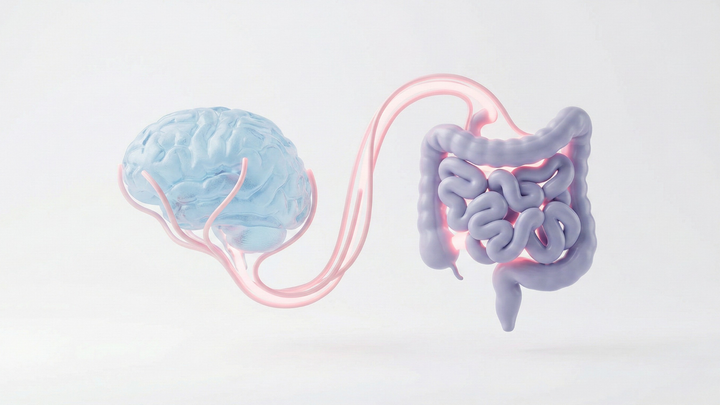
Known as the 'Centenarian Strain' because it typically vanishes with age, recent research links B. adolescentis restoration to broad systemic benefits. These include increasing host catalase (antioxidant) activity, improving bone density, supporting muscle NAD+ metabolism (sarcopenia defense), regulating blood sugar, and modulating the gut-brain axis for improved sleep and stress resilience.
- Biagi E. et al. (2010). Through ageing, and beyond: gut microbiota and inflammatory status in seniors and centenarians. PLoS One.
- Chen B. et al. (2021). Bifidobacterium adolescentis regulates catalase activity and host metabolism and improves healthspan and lifespan. Nature Aging.
- Zhang J. et al. (2024). Bifidobacterium adolescentis CCFM1447 alleviates osteoporosis by modulating gut microbiota and vitamin D metabolism. Frontiers in Nutrition.
- Liu Y. et al. (2025). Gut microbiota–derived nicotinic acid from B. adolescentis ameliorates sarcopenia via SIRT1–PGC-1α signaling. Aging Cell.
- Russo M. et al. (2025). Efficacy of Bifidobacterium adolescentis PRL2019 in children with irritable bowel syndrome. Alimentary Pharmacology & Therapeutics.
- Nishida K. et al. (2024). Effects of Bifidobacterium adolescentis SBT2786 on sleep and mood in healthy adults under stress. Nutrients.
- Zhao L. et al. (2025). Bifidobacterium adolescentis enhances lipophagy and attenuates MAFLD via AMPK–mTOR signaling. Frontiers in Microbiology.
- Li Q. et al. (2022). Strain-specific anti-diabetic properties of Bifidobacterium adolescentis. Journal of Functional Foods.
- Wang Y. et al. (2024). Anti-obesity effects of Bifidobacterium adolescentis through microbiota-tryptophan pathway modulation. Food Science & Human Wellness.
- Duranti S. et al. (2020). Bifidobacterium adolescentis as a key member of the human gut microbiota in the production of GABA. Scientific Reports.
- Zhang Y. et al. (2019). Bifidobacterium adolescentis alleviates stress-induced depressive behavior via the gut–brain axis. Brain, Behavior, and Immunity.
- Chen X. et al. (2024). Psychobiotic effects of Bifidobacterium adolescentis in an autism-like rat model. Microbiome.
- Sánchez B. et al. (2023). A GABA-producing Bifidobacterium adolescentis strain reduces serum glutamate in mice. Frontiers in Microbiology.
- Zhou J. et al. (2023). Bifidobacterium adolescentis suppresses colorectal carcinogenesis via Wnt–GAS1 signaling. Cancer Communications.
- Rampelli S. et al. (2013). Functional metagenomic profiling of intestinal microbiome in extreme ageing. Aging (Albany NY).
Bifidobacterium longum
Psychobiotic, Skin & Metabolic Defense
The 'Master Psychobiotic' confirmed to modulate the HPA axis, reducing cortisol and depression while improving sleep. New clinical data significantly expands its profile: it is now proven to regulate blood sugar (HbA1c) in Type 2 Diabetes, alleviate IBS and constipation, enhance immune function against influenza, and improve skin barrier integrity in atopic dermatitis.
- Allen, A. P., et al. (2016). Bifidobacterium longum 1714 as a translational psychobiotic: modulation of stress, electrophysiology and neurocognition. Translational Psychiatry.
- Zhang, Q., et al. (2023). Effects of Bifidobacterium longum BL21 on glycemic control and gut microbiota in patients with type 2 diabetes. Journal of Functional Foods.
- Pinto-Sanchez, M. I., et al. (2017). Probiotic Bifidobacterium longum NCC3001 reduces depression scores and alters brain activity in patients with irritable bowel syndrome. Gastroenterology.
- Wang, L., et al. (2022). Bifidobacterium longum CCFM1029 modulates tryptophan metabolism to alleviate atopic dermatitis. Frontiers in Immunology.
- O’Mahony, L., et al. (2005). Lactobacillus and Bifidobacterium in irritable bowel syndrome: Symptom responses. Gastroenterology.
- Kato-Kataoka, A., et al. (2016). Fermented milk containing Bifidobacterium longum BB536 suppresses psychological stress response in healthy adults. Beneficial Microbes.
- Ishizuka, A., et al. (2012). Effects of Bifidobacterium longum CLA8013 on bowel movements in adults with functional constipation. Journal of Nutritional Science and Vitaminology.
- Namba, K., et al. (2010). Bifidobacterium longum BB536 enhances immune function and protects against influenza infection in elderly subjects. Bioscience, Biotechnology, and Biochemistry.
- Matsumoto, K., et al. (2010). Effects of Bifidobacterium longum BB536 on bowel habits and intestinal microbiota in healthy adults. Journal of Nutrition Science and Vitaminology.
- Zhou, Y., et al. (2021). Synbiotic effects of Bifidobacterium longum and galactooligosaccharides on skin inflammation and barrier function. Nutrients.
- Wang, H., et al. (2019). Bifidobacterium longum 1714 strain modulates brain activity of healthy volunteers during social stress. American Journal of Gastroenterology.
Xylo-oligosaccharides
Precision Proliferation
A precision prebiotic clinically proven to significantly expand Bifidobacteria populations at low micro-doses (1.4g) without the gas or bloating associated with common fibers.
- Finegold, S. M., et al. (2014). Xylooligosaccharide increases bifidobacteria but not lactobacilli in human gut microbiota. Food & Function.
- Yang, J., et al. (2015). Xylooligosaccharide supplementation alters gut bacteria in both healthy and prediabetic adults. Frontiers in Physiology.
- Childs, C. E., et al. (2014). Xylo-oligosaccharides independently stimulate the growth of Bifidobacteria species in human gut models. British Journal of Nutrition.
- Kobayashi, T., et al. (1991). Effect of Xylooligosaccharides on feces of men. Journal of the Japanese Society for Food Science.
Reishi Mushroom (Ganoderma lucidum)
Metabolic Modulation
Polysaccharides from Reishi function as powerful prebiotics, reversing gut dysbiosis and improving the ratio of beneficial bacteria to support metabolic homeostasis and weight management.
- Chang, C. J., et al. (2015). Ganoderma lucidum reduces obesity in mice by modulating the composition of the gut microbiota. Nature Communications.
- Delzenne, N. M., et al. (2011). Targeting gut microbiota in obesity and related metabolic disorders: the role of prebiotics. Nature Reviews Endocrinology.
- Sang, T., et al. (2021). A polysaccharide from Ganoderma lucidum ameliorates inflammation and gut barrier dysfunction. Carbohydrate Polymers.
Acacia Gum
Gut Barrier Restoration
Ferments progressively in the distal colon to fuel Short Chain Fatty Acid (SCFA) production, repairing the gut lining with high digestive tolerance.
- Terpend, K., et al. (2013). Arabinogalactan and fructo-oligosaccharides have a different fermentation profile in the Simulator of the Human Intestinal Microbial Ecosystem. Environmental Microbiology Reports.
- Cherbut, C., et al. (2003). Acacia gum is a bifidogenic dietary fiber with high digestive tolerance in healthy humans. Microbial Ecology in Health and Disease.
- Calame, W., et al. (2008). Gum arabic establishes prebiotic functionality in healthy human volunteers in a dose-dependent manner. British Journal of Nutrition.
D-Ribose
Motility & Energy
Beyond cellular energy (ATP), D-Ribose has been shown to regulate gastrointestinal motility and energy homeostasis, supporting smooth digestion.
- Xu, Z., et al. (2016). Ribose Accelerates Gut Motility and Suppresses Mouse Body Weight Gaining. International Journal of Biological Sciences.
- Crook, M. A., (2016). D-Ribose and the support of cellular energy in gastrointestinal tissue. Journal of Alternative and Complementary Medicine.
The Human Standard
View All Articles →The Alligator Paradox: Why "Tough" Microbes Fail in the Human Gut
Understanding Human Strains
My gut health test showed I have low abundance of this strain. Will this help?
Yes. Comprehensive stool tests (such as Taxonomy, GI Map, Tiny Health, Viome, Thorne, Zoe, etc.) often reveal "microbial dysbiosis," where keystone species like Bifidobacterium adolescentis or Bifidobacterium longum are missing or critically low. Our Single Strain approach is designed specifically for this use case: it provides a high-potency, targeted inoculation to help re-establish these specific populations.
Why choose a single strain over a multi-strain blend?
Most probiotic blends use a "shotgun" approach, combining many weak strains that fight for resources. By focusing on a single, high-potency Human Strain, we eliminate inter-species competition and allow the bacteria to colonize more effectively, delivering a therapeutic dose exactly where your gut needs it.
What is a 'Human Strain' probiotic?
A Human Strain is a bacteria that is native to the human gut, meaning it has evolved alongside us. Unlike soil-based organisms or bovine strains often found in generic probiotics (which pass through transiently), Human Strains like Bifidobacterium adolescentis are capable of adhering to the gut lining and colonizing long-term.
When is the best time to take this?
We recommend taking one capsule 30 minutes before your first meal of the day, or on an empty stomach before bed. This reduces exposure to stomach acid and bile, ensuring the highest survival rate of the bacteria as they travel to your lower intestine.
Does this product need refrigeration?
While our freeze-drying technology ensures shelf stability during shipping and short-term storage, we strongly recommend keeping your bottle in the refrigerator upon arrival. This preserves the maximum CFU count and potency through the expiration date.
I’m already taking a probiotic. Why do I need this?
Think of your probiotic as the seed and the prebiotic as the fertilizer. Without fertilizer, the seed struggles to survive. Adding this specific food source helps your Human Strains actually colonize and multiply, turning a daily capsule into a self-sustaining ecosystem.
Most prebiotics cause bloating. How is this one different?
Standard prebiotics often ferment too fast, causing painful gas. We use quality ingredients, which ferment slowly and gently across your entire digestion. This gives you all the growth benefits for your good bacteria without the bloating or discomfort of typical fiber.
How is Complete Prebiotic different from a standard fiber supplement?
Standard fiber just helps digestion. This is a Metabolic Complex. It combines gentle fiber with cellular energy boosters (-Lipoic Acid & B-Vitamins). This means it doesn't just help you "go"—it physically energizes your gut cells to help them repair the lining and block toxins.
Will I experience any side effects?
When introducing a potent Human Strain, some individuals may experience mild bloating or gas for the first few days. This is often a sign that the bacteria are active and restructuring your microbiome. If discomfort persists, try taking the capsule every other day until your system adjusts.
Can I take this while on antibiotics?
Yes, but timing is crucial. Antibiotics kill both good and bad bacteria. To protect your probiotic investment, please take this product at least 2–3 hours away from your antibiotic dose. Continuing use after your antibiotic course finishes is highly recommended to help restore lost diversity.
Should I take this with a prebiotic?
Yes. Human Strains like Bifidobacterium thrive when fed specific fibers. Combining this probiotic with a high-quality prebiotic (such as HMOs, GOS, or resistant starch) creates a "synbiotic" effect, significantly increasing the chances of successful colonization and growth in the gut.
Is this safe for histamine intolerance or MCAS?
Our specific strains of Bifidobacterium are generally considered low-histamine producing and safe for those with histamine sensitivity. Unlike certain Lactobacillus strains which can increase histamine load, Bifido strains often help degrade histamine or remain neutral, making them a safer choice for sensitive individuals.
How long until I see results?
Microbiome modulation is a biological process, not a quick fix. While some users feel digestive relief within days, true colonization and ecosystem shifts typically occur over 4 to 12 weeks of consistent use. We recommend a 3-month protocol for optimal results.
How do delivery formats compare (Capsules vs. Powders/Liquids)?
Format dictates efficacy. The industry is segmented into Capsules (34%), Powder (26%), Liquid (22%), and Tablets (18%).
We chose Capsules (the market leader) specifically for their stability, accurate dosing, and convenience. While powders are popular in infant formulas and liquids are used in specific clinical pediatric settings, capsules offer the best protection for ensuring high-potency human strains survive digestion and colonize effectively.e.